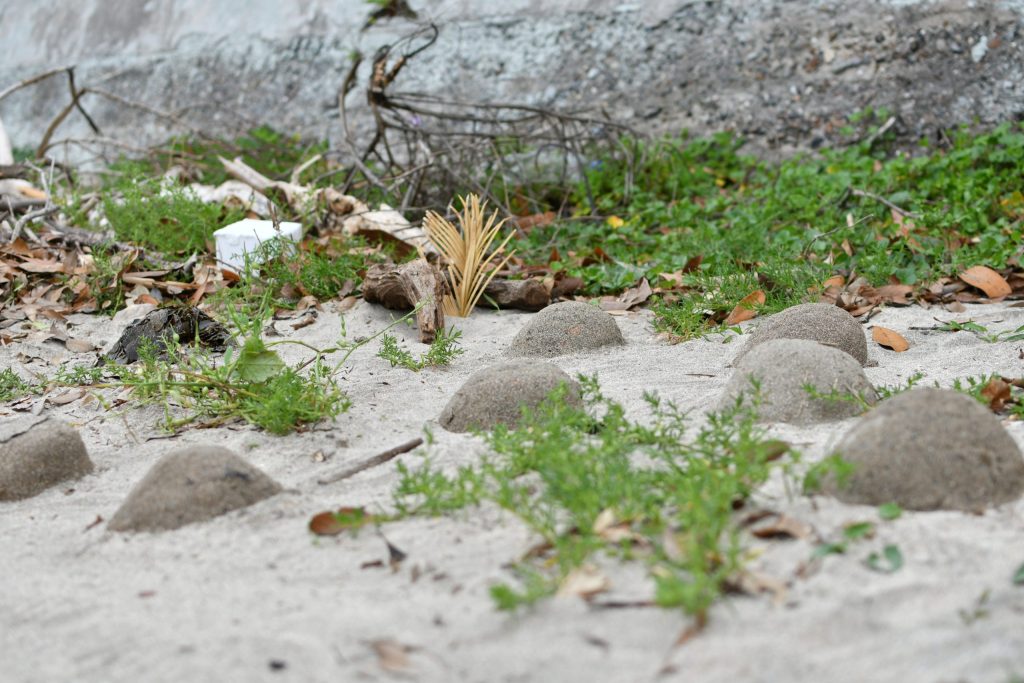
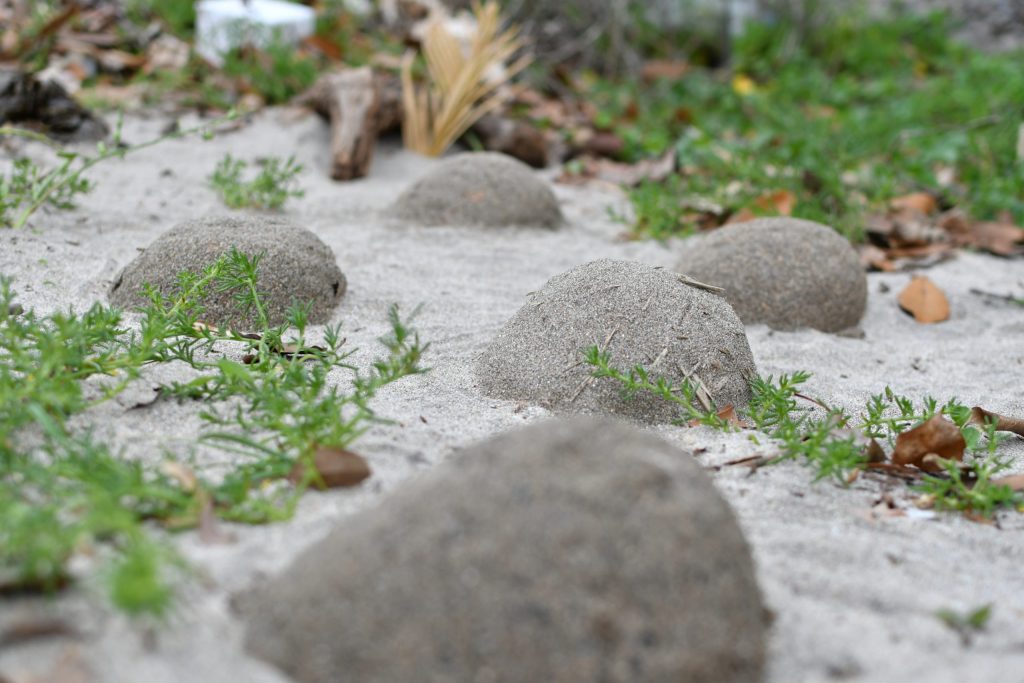
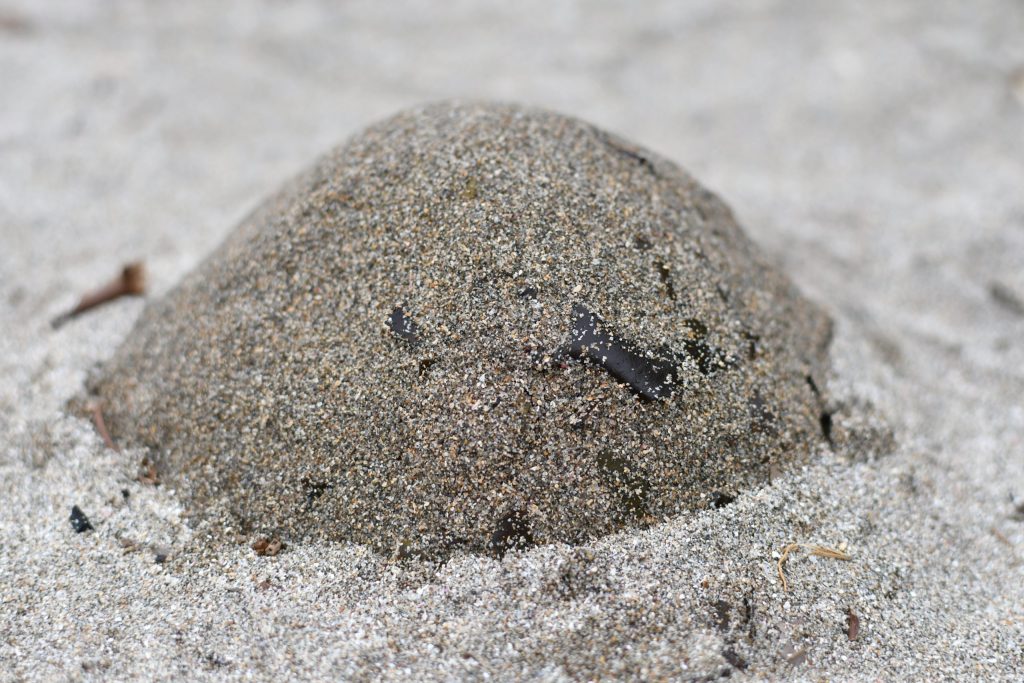
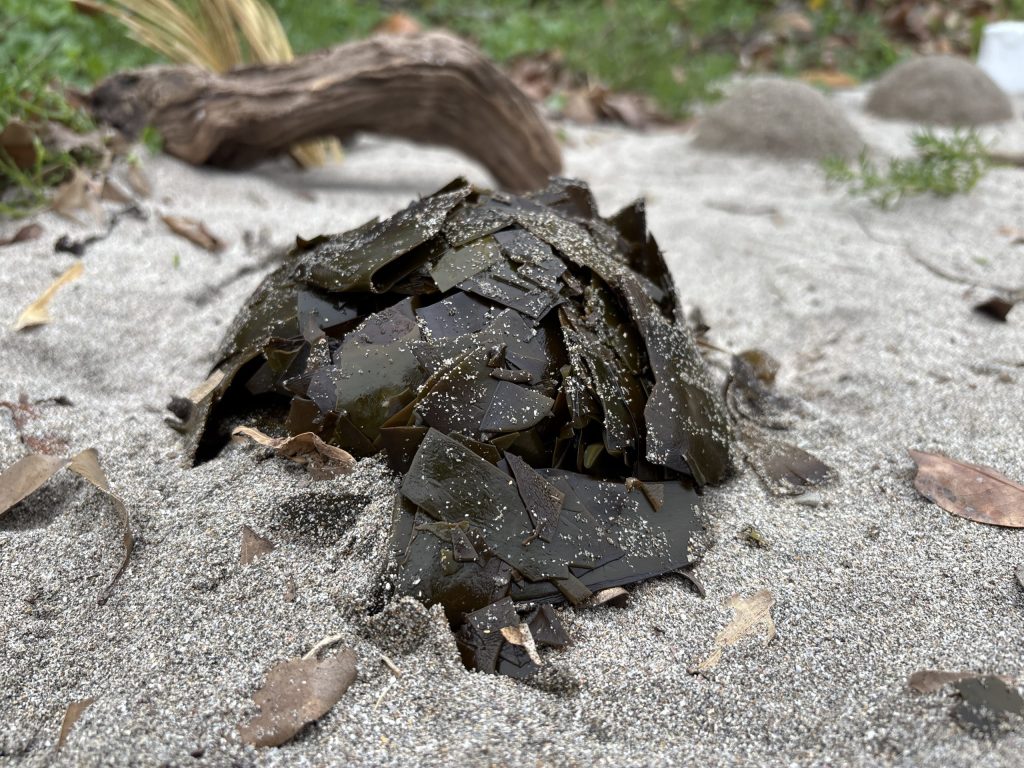
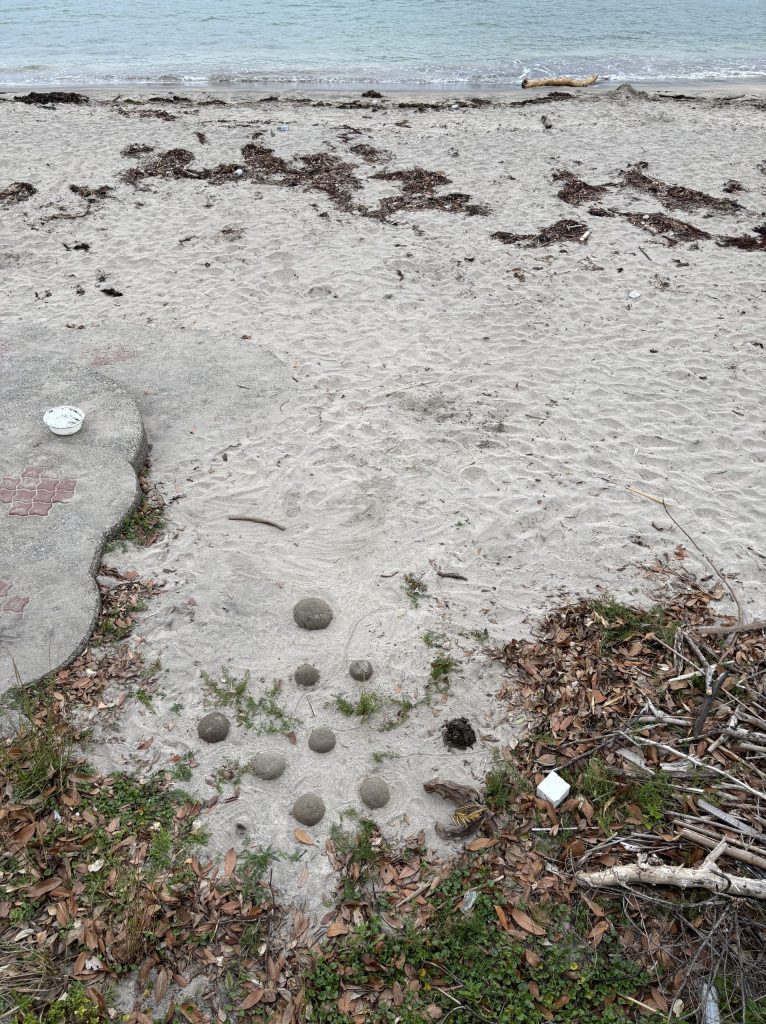
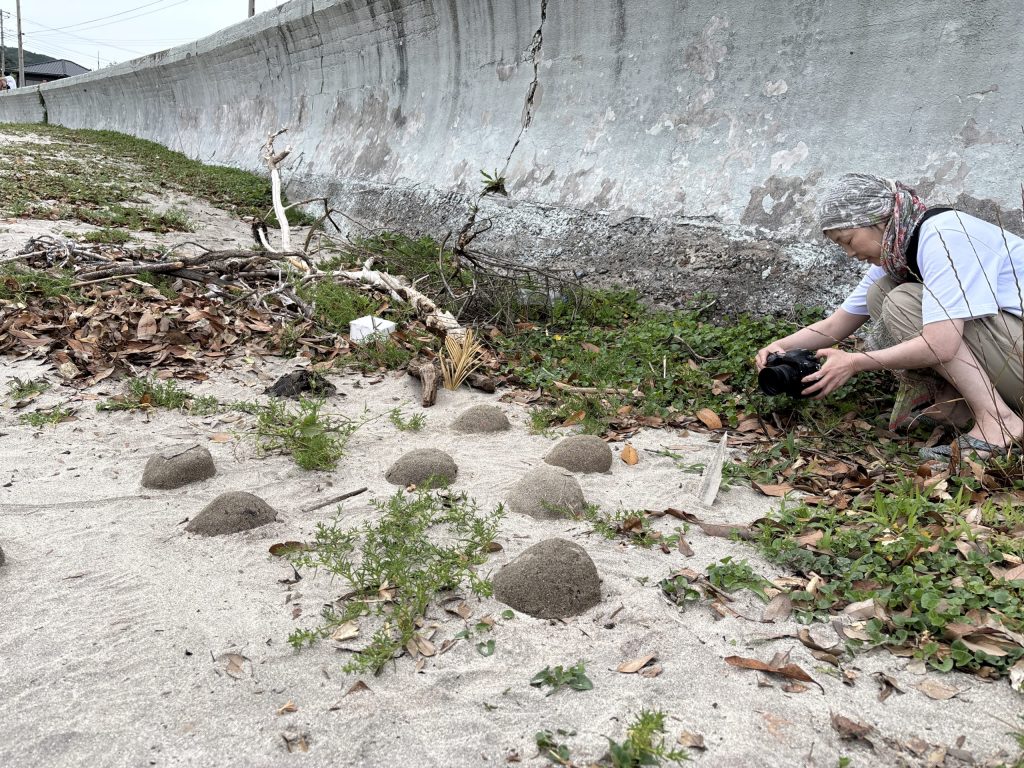
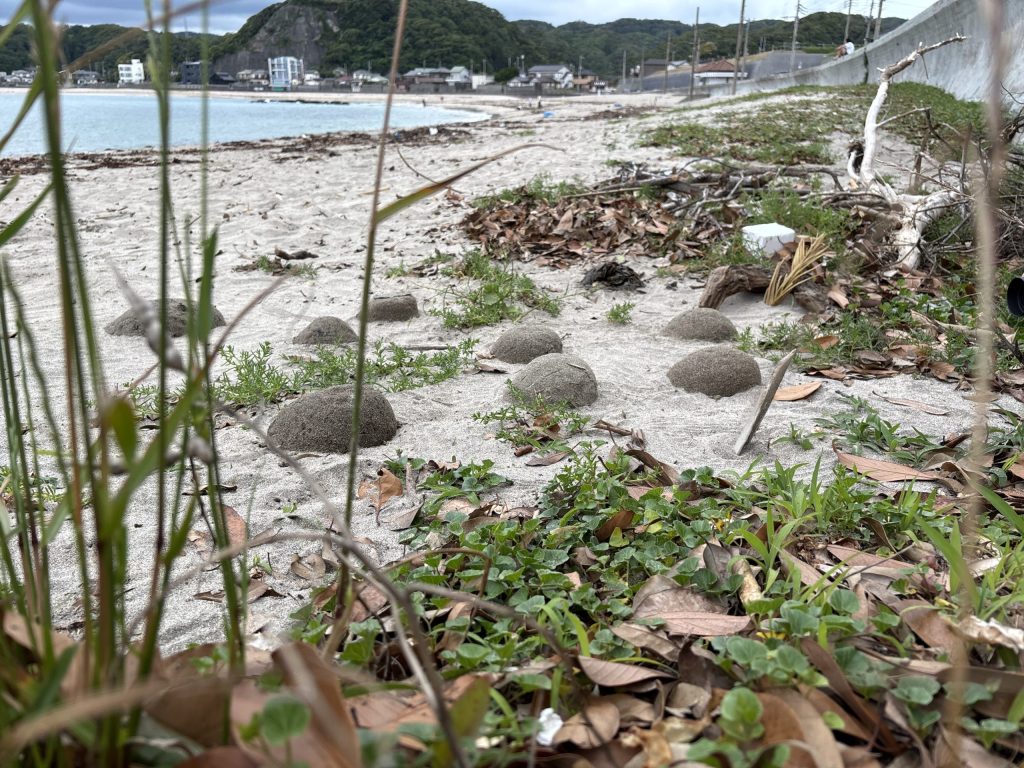
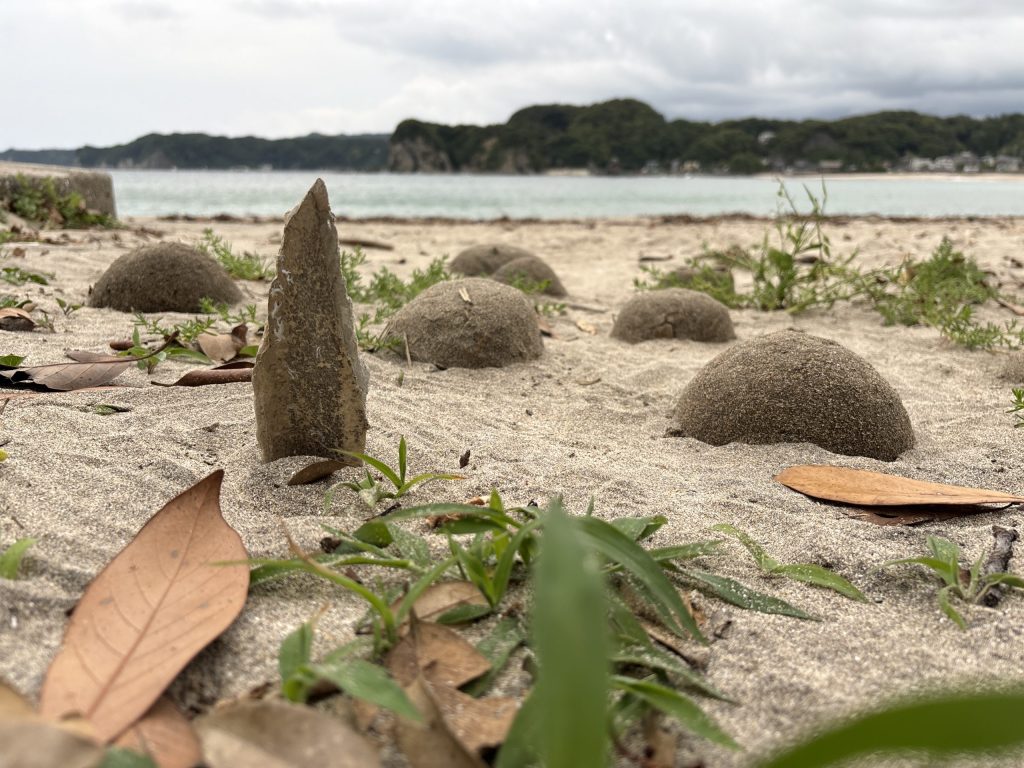
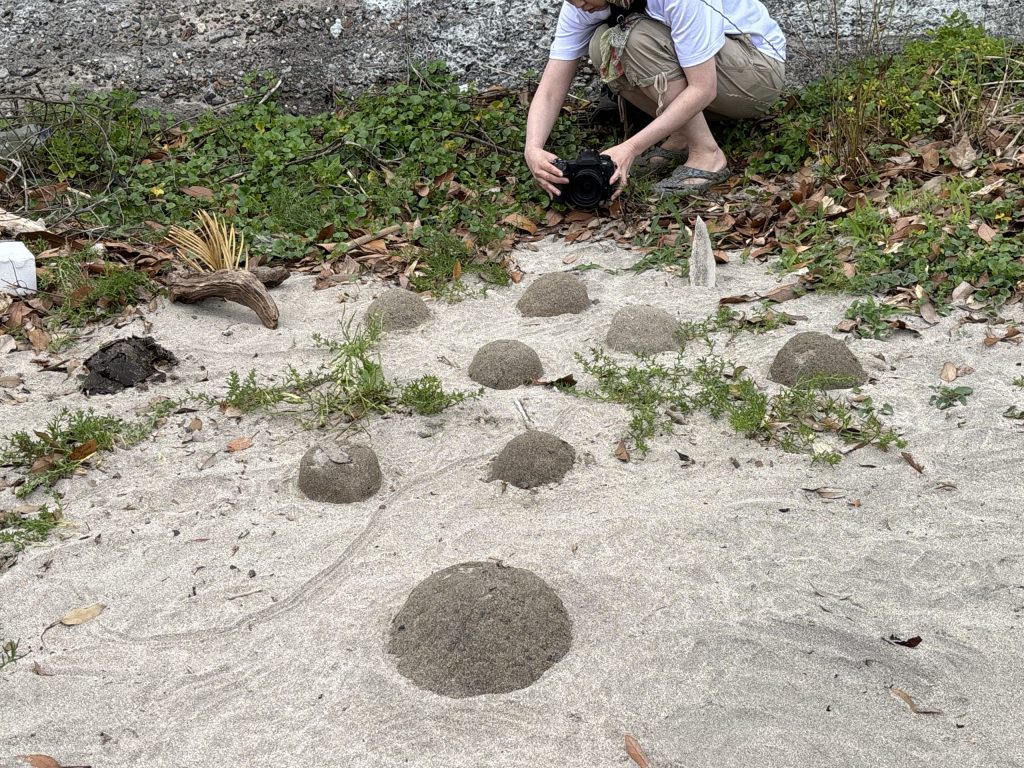
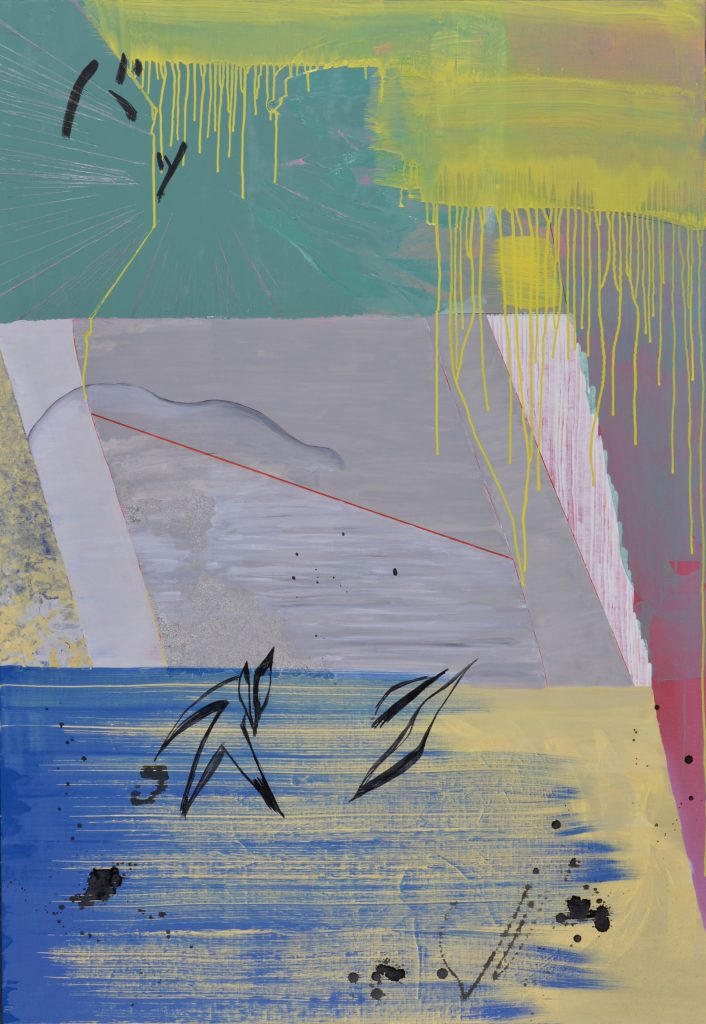
Sea sand, sea weed, water, amphipod, ant
Site specific, research-based, project/2026
Created by Mikaboshi (Michi OGAWA + Seika TACHI)
守谷海岸の砂、海草、水、ヨコエビ、アリ
サイトスペシフィック、リサーチベースド、プロジェクト/2026
制作;ミか星(オガワミチ+舘星華)
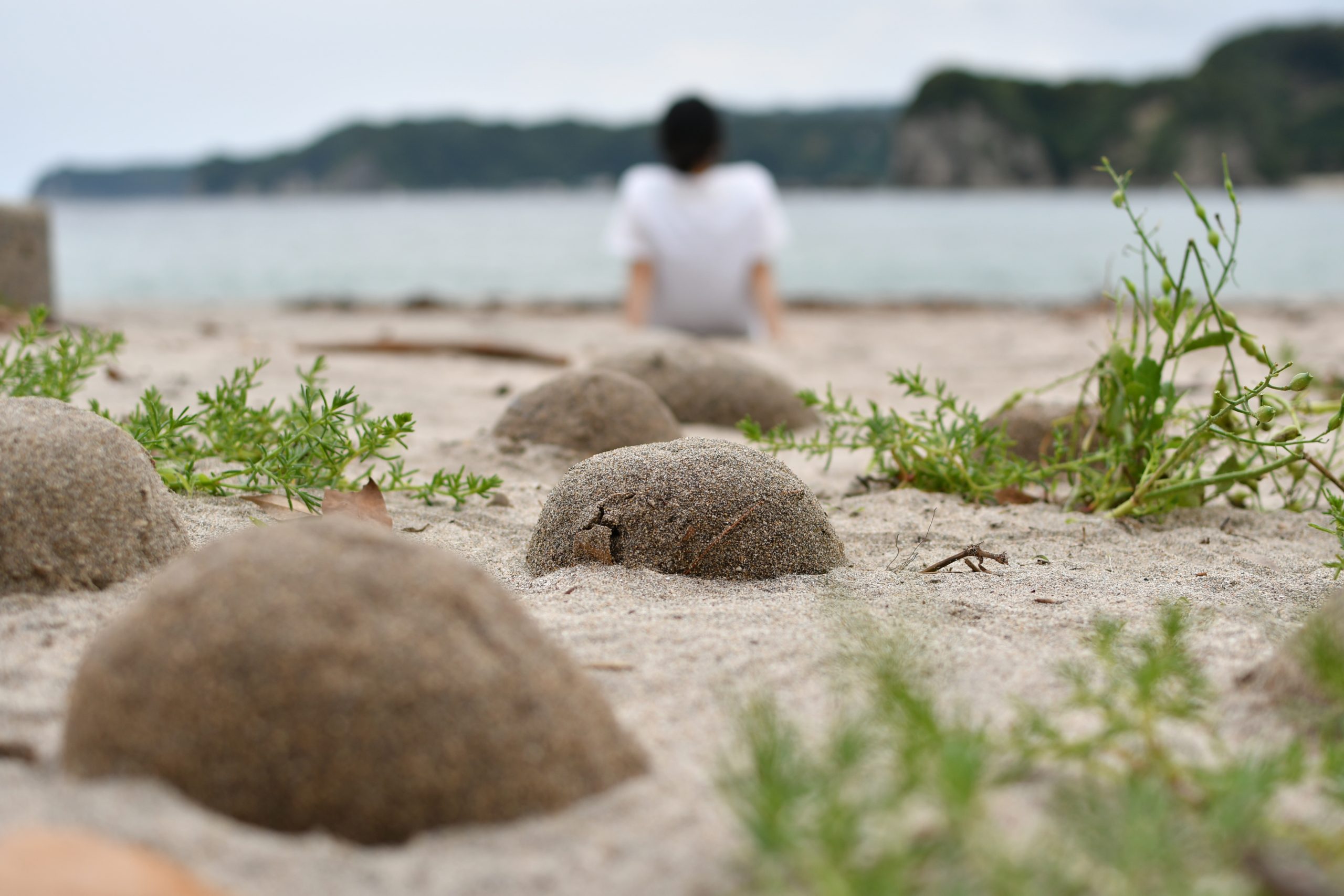
Research Report: Moriya Beach | June 13, 2026 (Sun) 10:30–19:00
From the Low Tide of the New Moon to Sunset
by Michi Ogawa
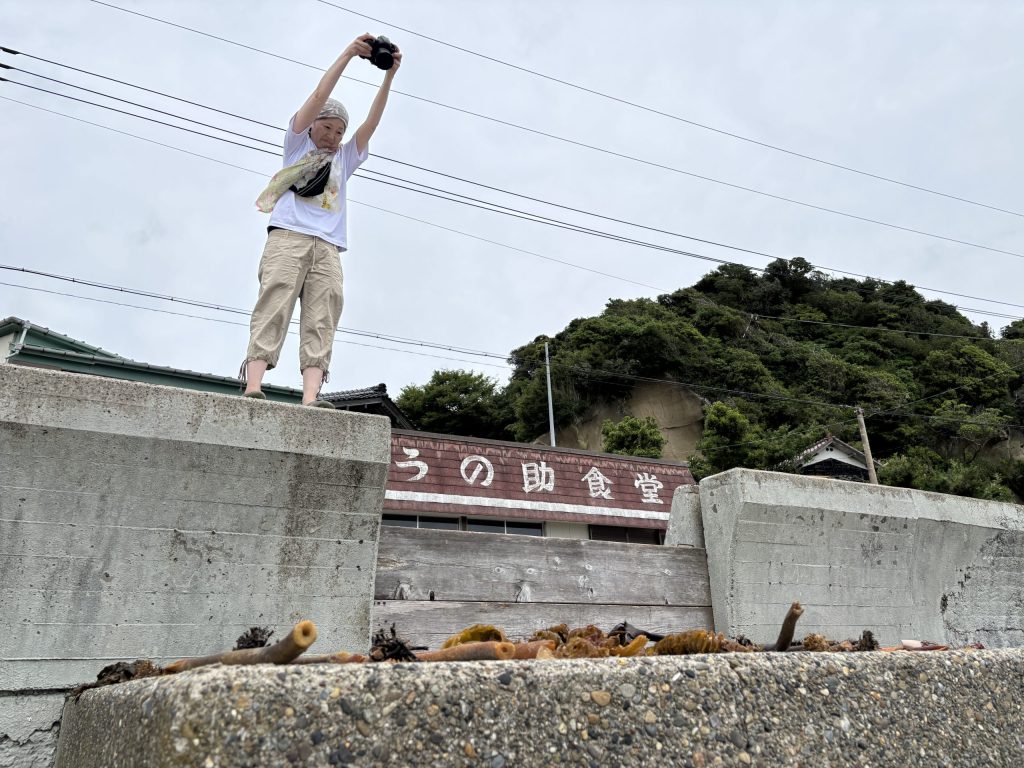
Moriya Beach curves into a sandy arc in the center, flanked by a fishing port on the right and a cape with a rocky reef on the left.
- Concrete Area: Dried seaweed and driftwood.
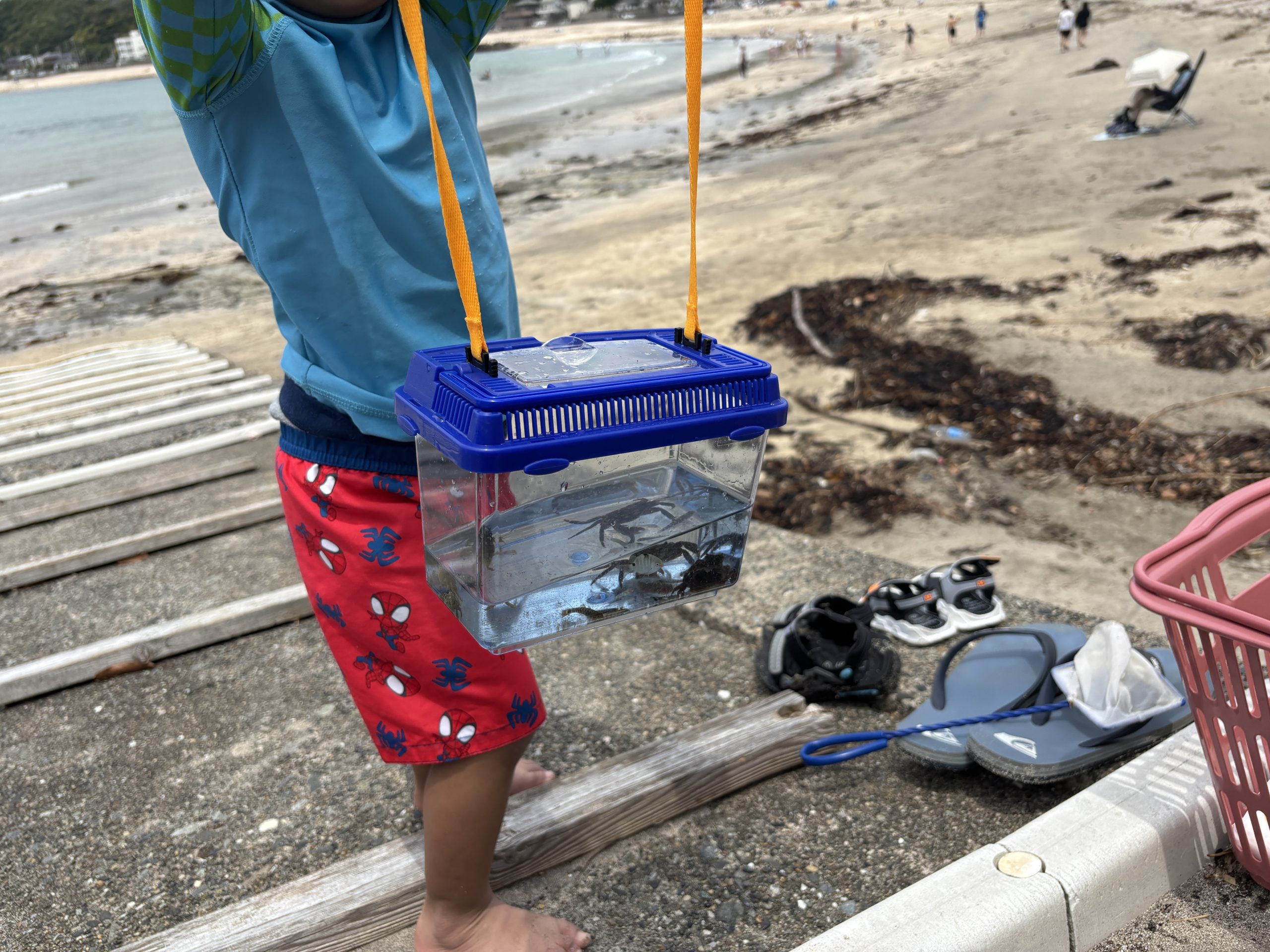
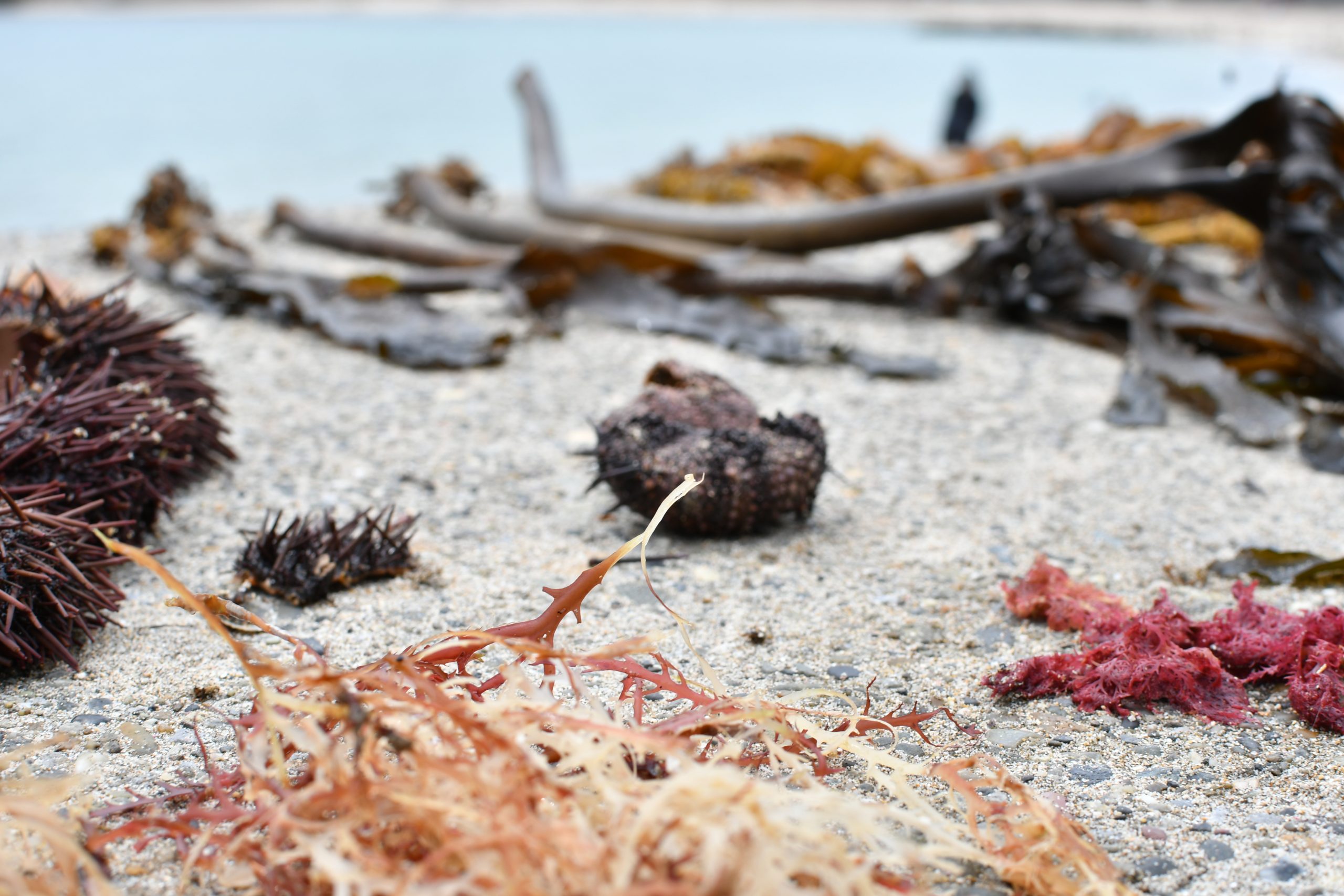
- Sandy Beach Area: Dried and wet seaweed, driftwood mixed with small amounts of fishing line, buoys, and plastic waste. Fallen leaves, blackened seaweed roots, something resembling a tree stump, seashells, a baby octopus, and amphipods (side-swimmers). Seaweed can be gathered in abundance. The ocean current is beautifully clear.
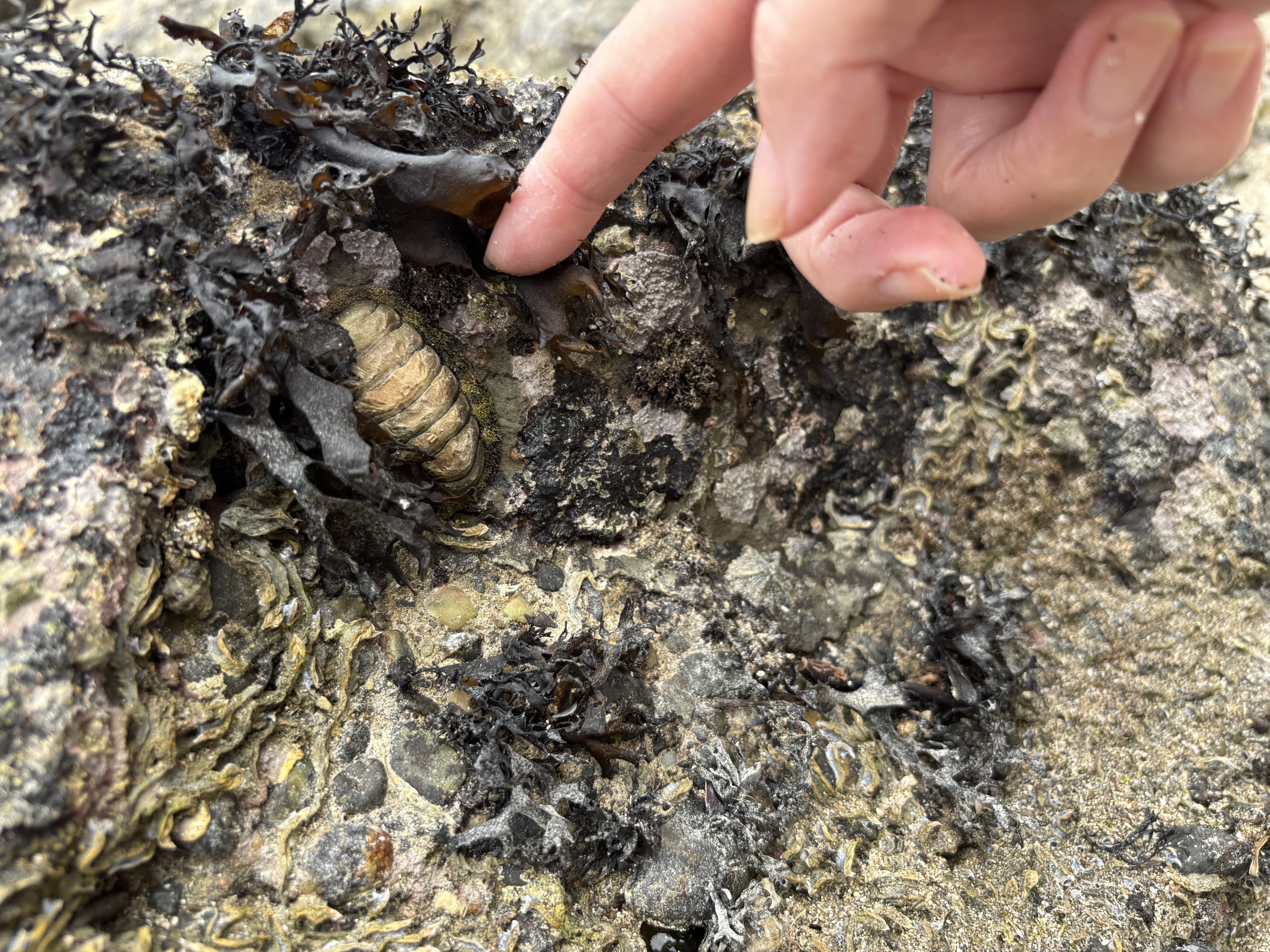
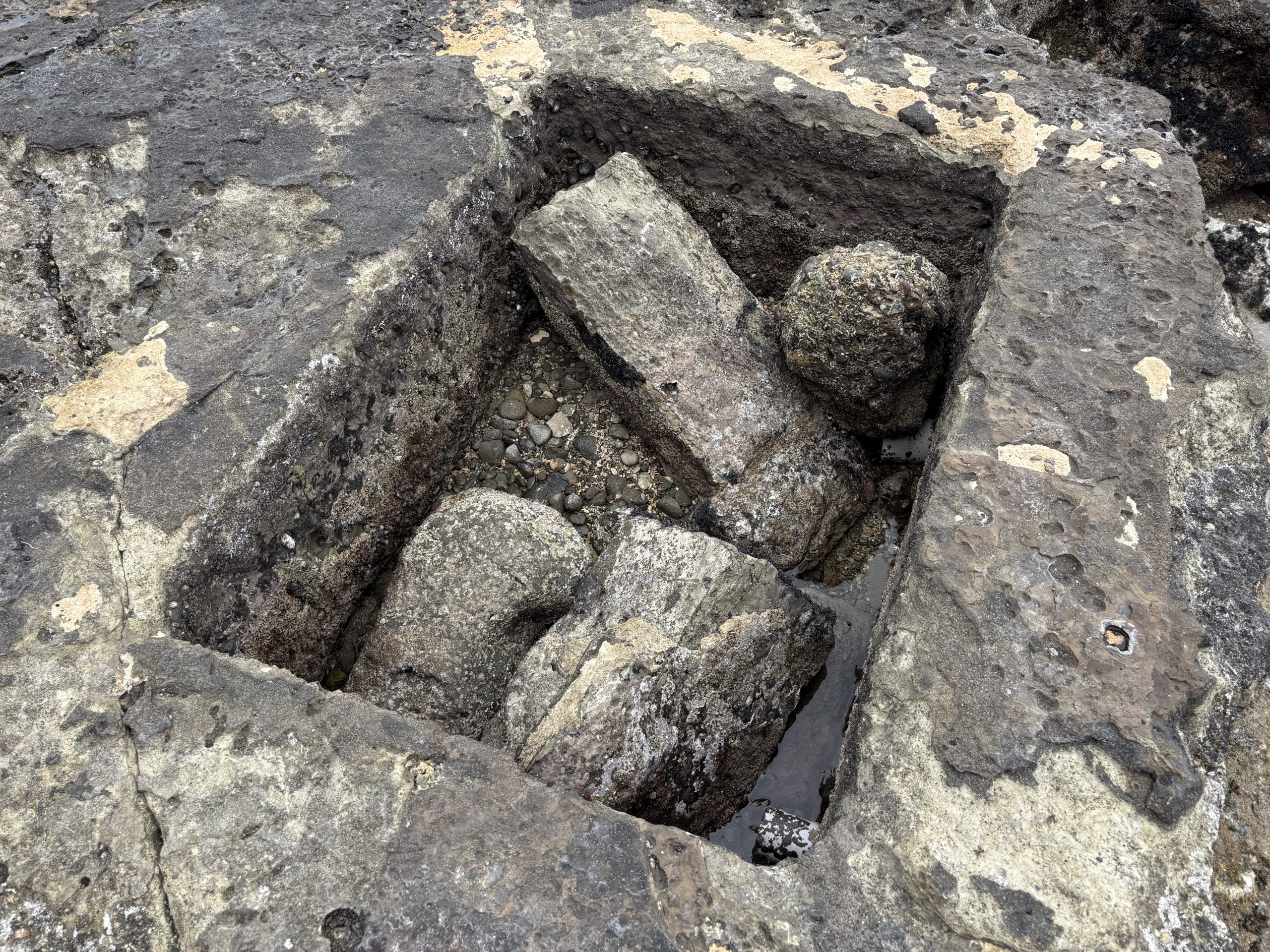
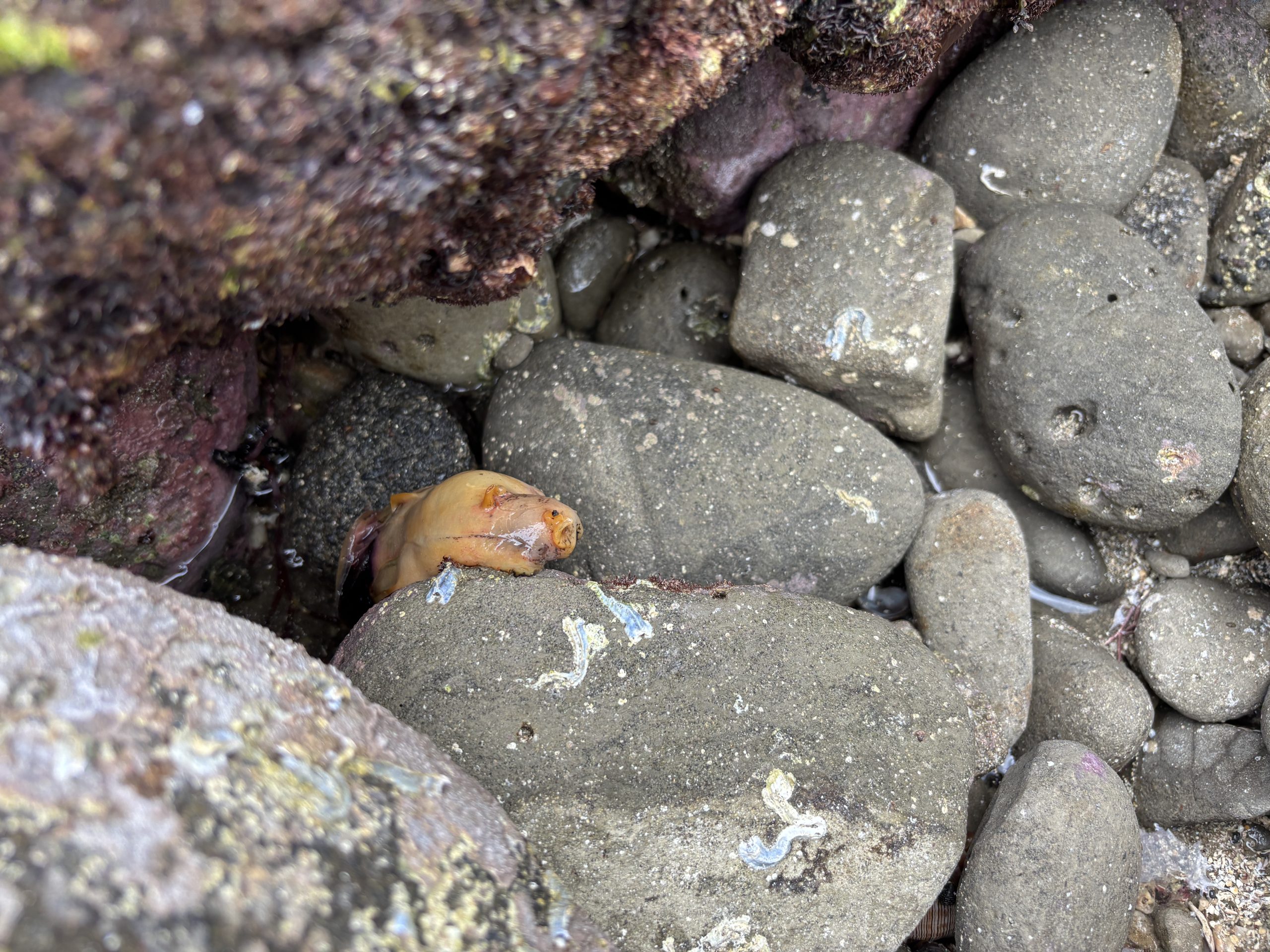
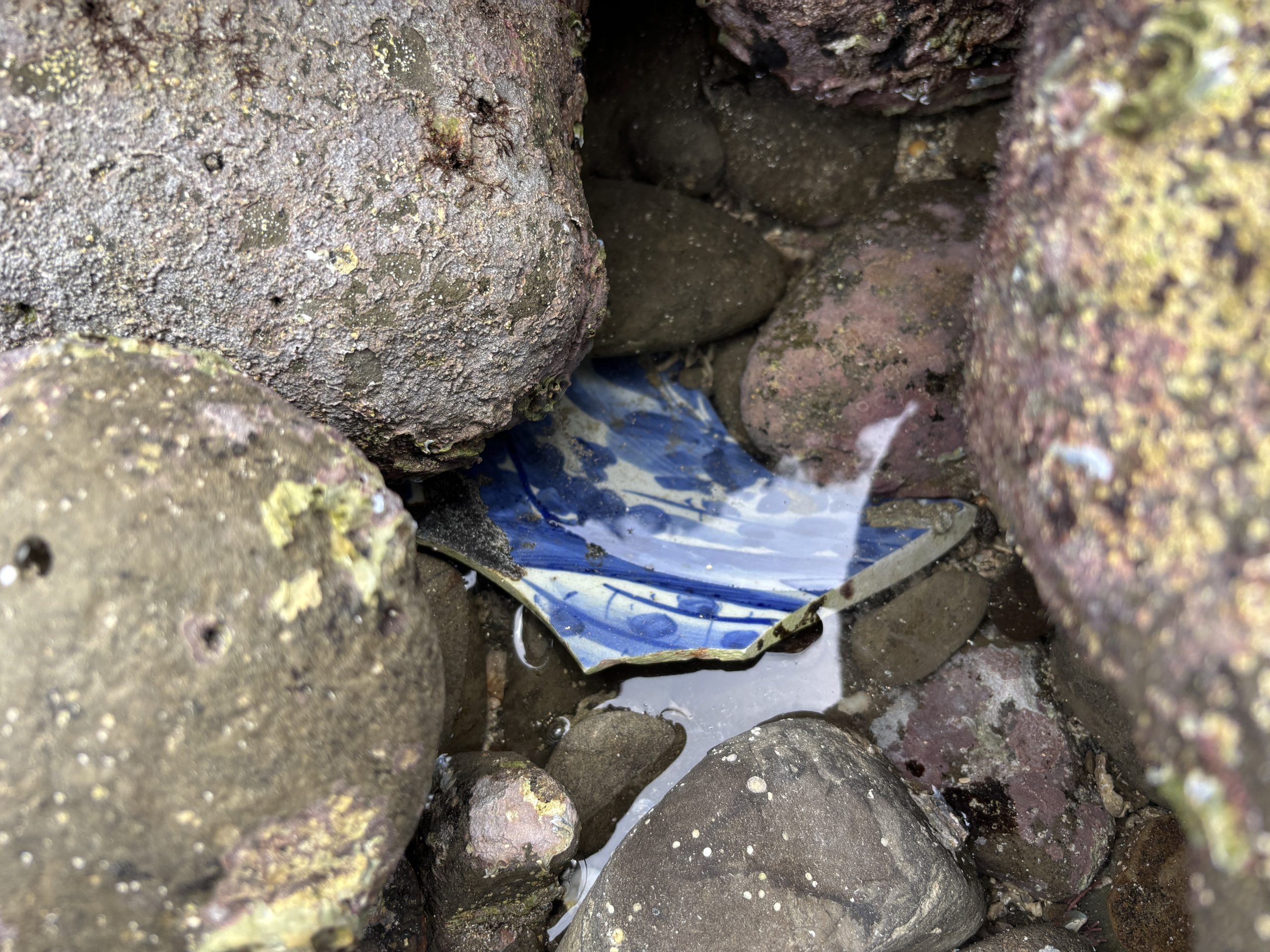
- Rocky Reef Area: Conglomerate and sandstone inhabited by sea anemones, several types of shellfish (such as Ishidatami / checkered top shells, and star-shaped shells), sea roaches, and a chiton—a primitive mollusk that looks somewhat like a trilobite. Crabs and hermit crabs. Diverse seaweeds cling to the rocks. The entire area features cave-like structures that resemble ancient boat docks; it feels like an archaeological site. Fishermen can be seen eating sea urchins.
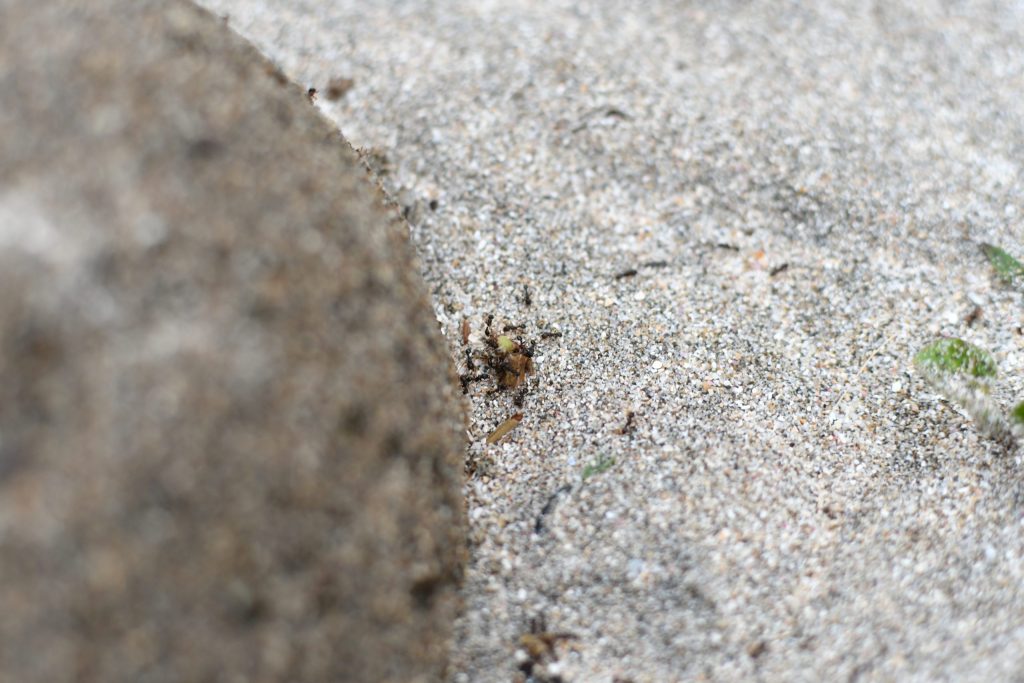
The blackened chunks of wood and roots have a striking, sculptural beauty. I am startled by amphipods suddenly darting out from between the seaweed. Inside a fallen paper wasp nest, woodlice have made a home. Shellfish and seaweed cling tightly to the rocks without a single gap, completely integrated. A crab devours a bivalve, attracting other envious crabs. Ants seem to prefer raw seaweed over boiled seaweed. Tiny ants fiercely dispute over miniature amphipods. There is a creature that gathers leaves to build a home like a bagworm. A black kite chases away a crow.
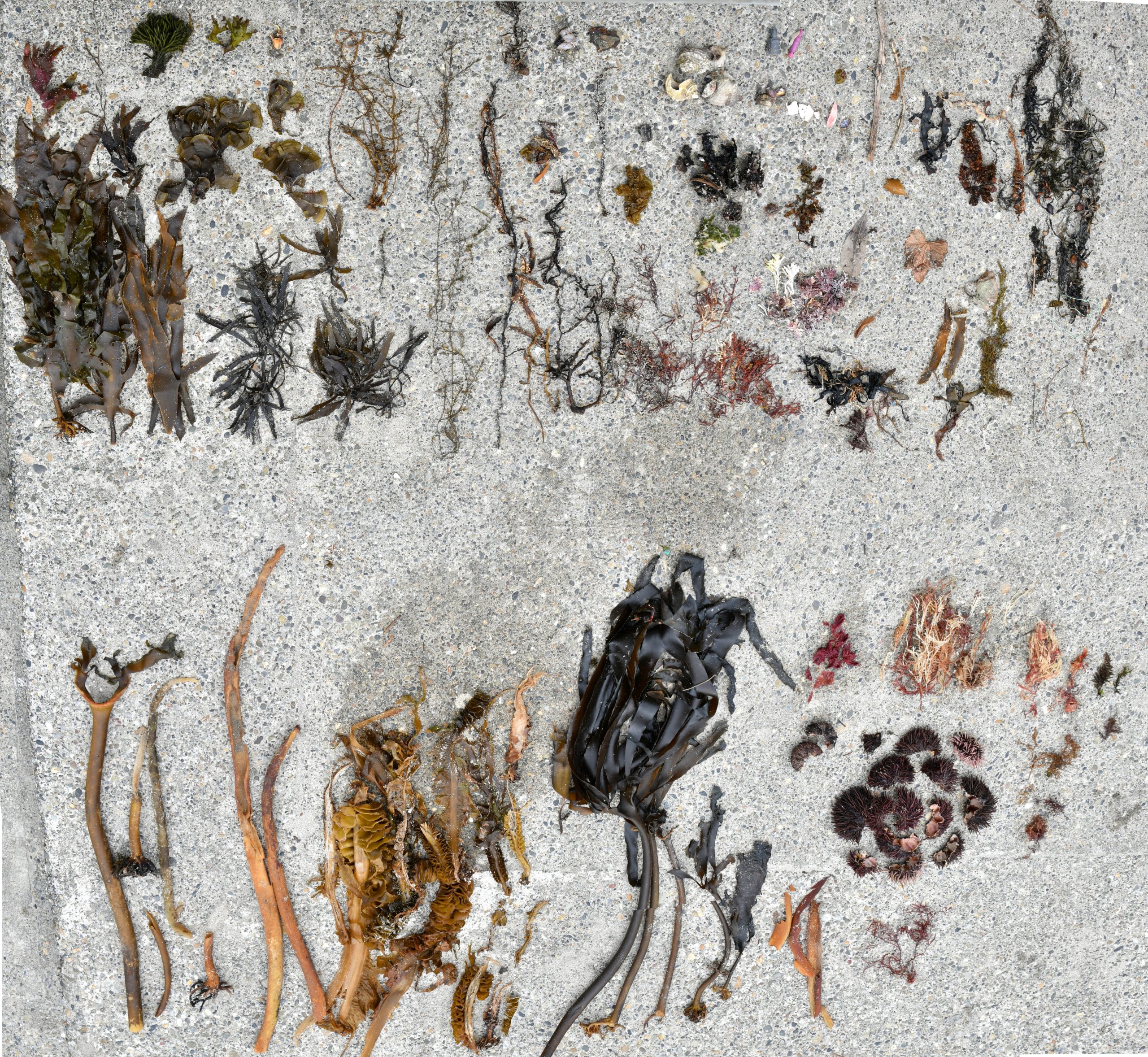
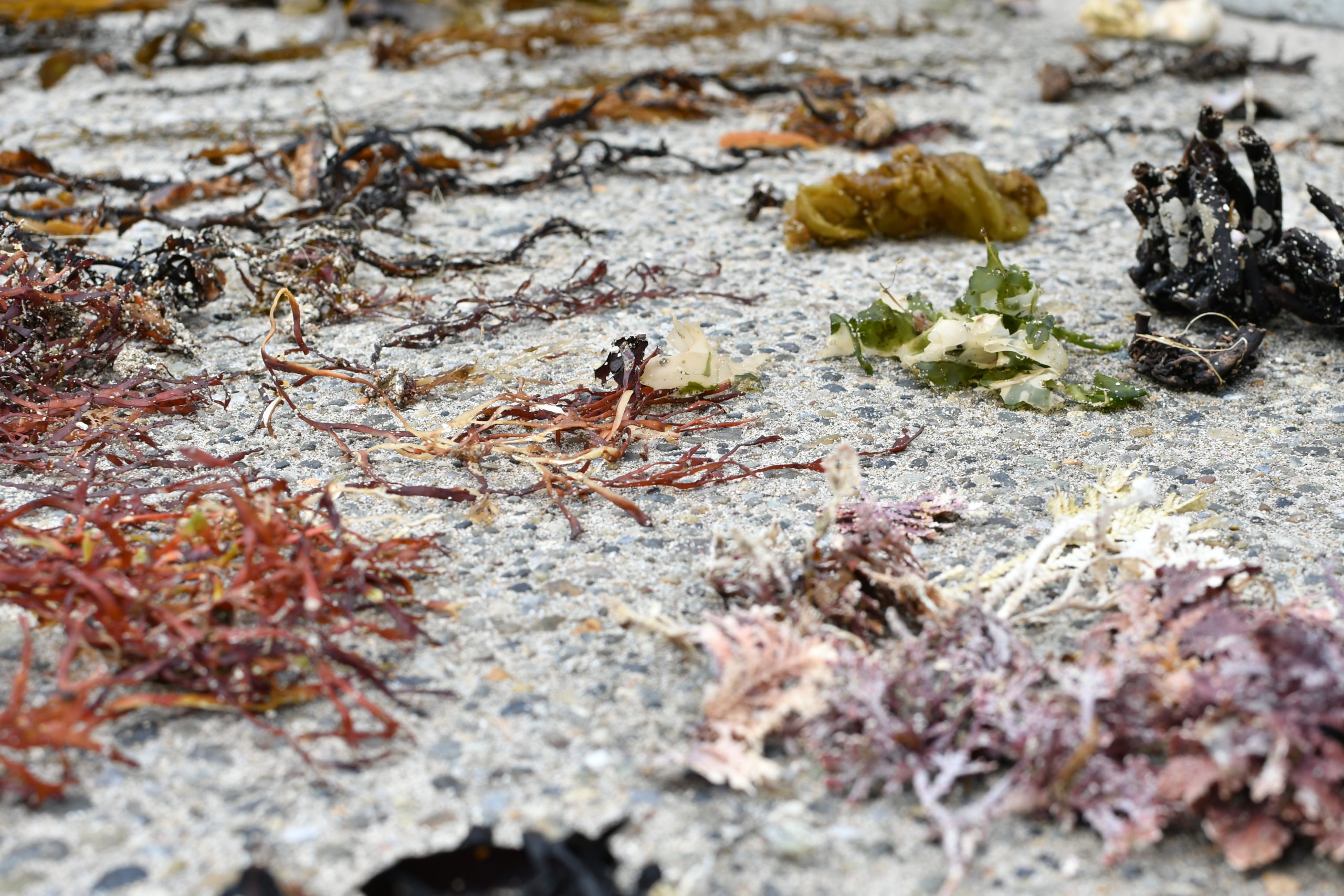
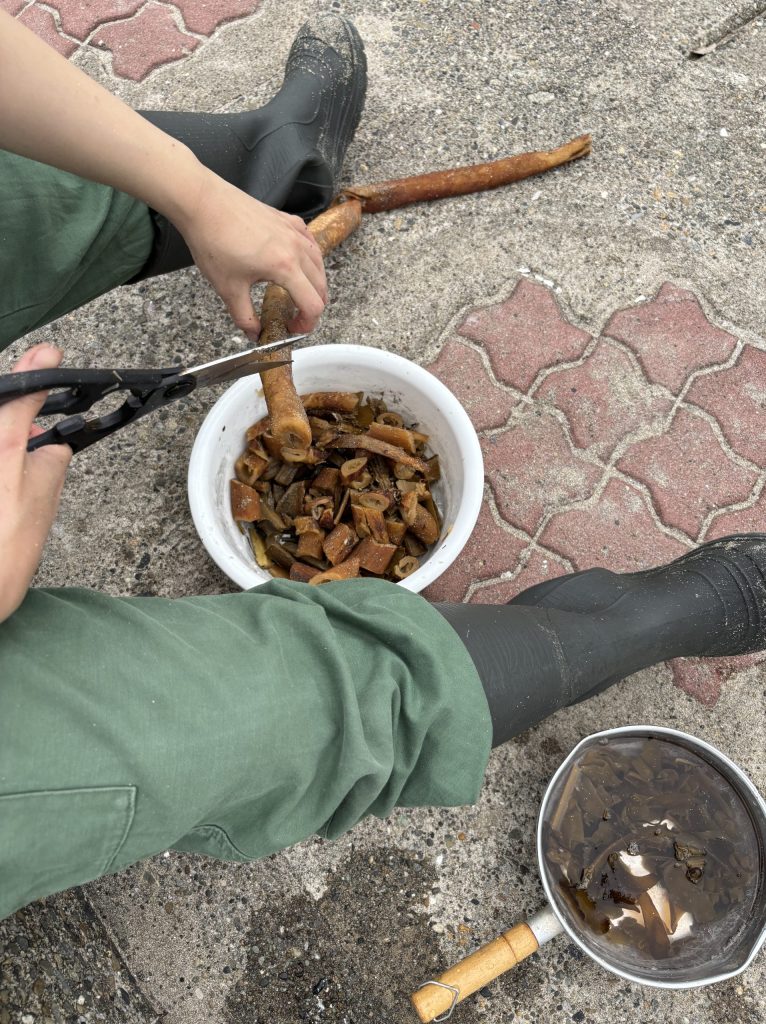
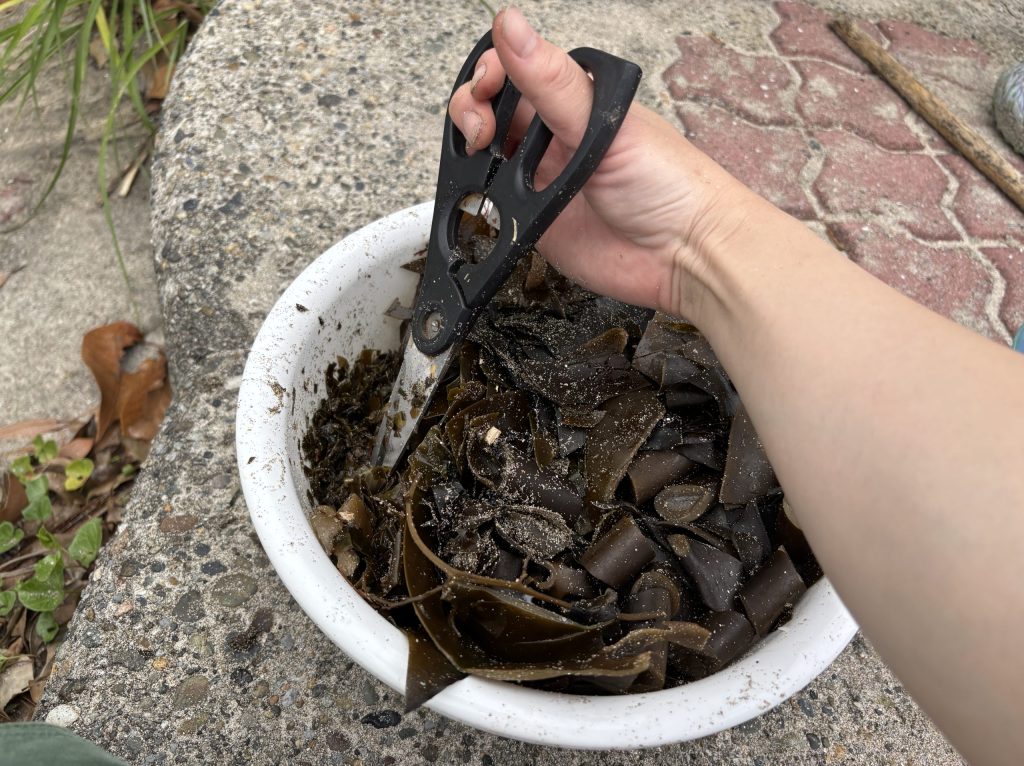
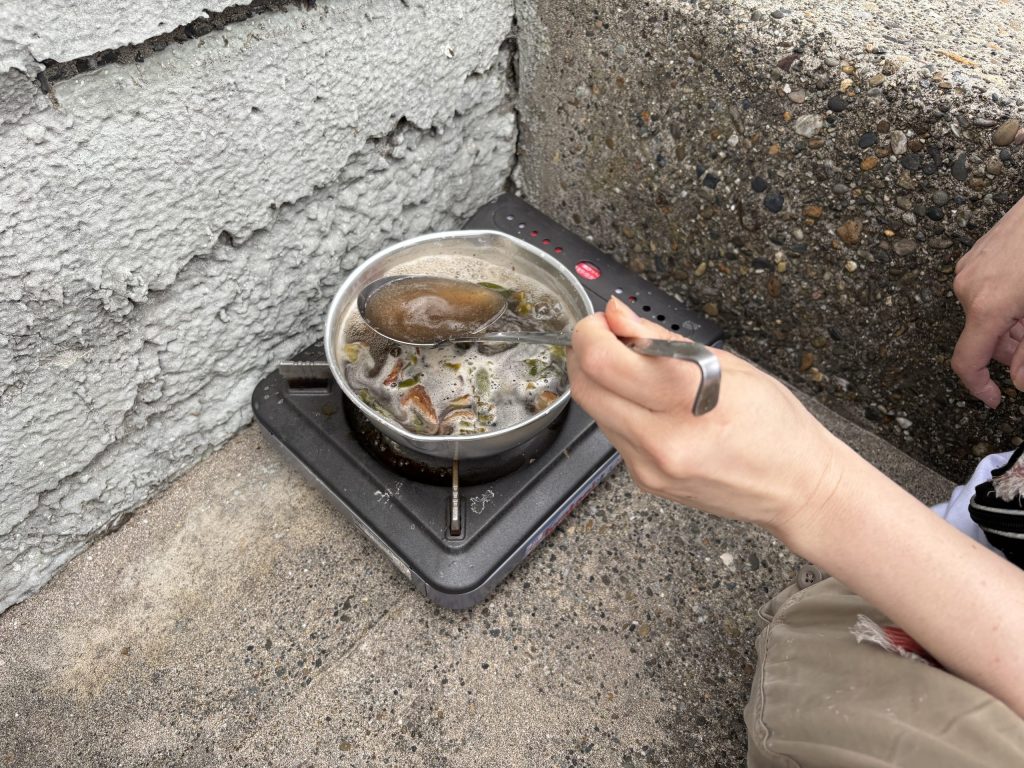
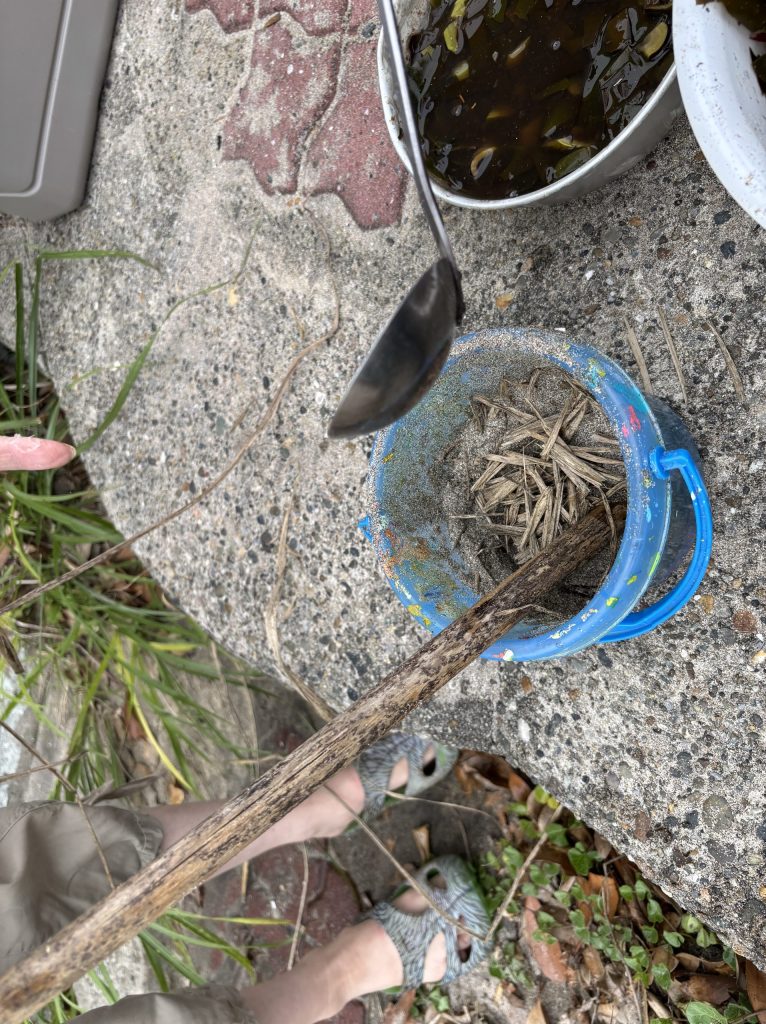
I line up the seaweed I gathered. I chop and boil two types of highly viscous seaweed.
Countless amphipods emerge from within.
I realized I had boiled quite a substantial number of them (amphipods).
It makes me wonder: Is there truly any meaning in creating art at the expense of this?
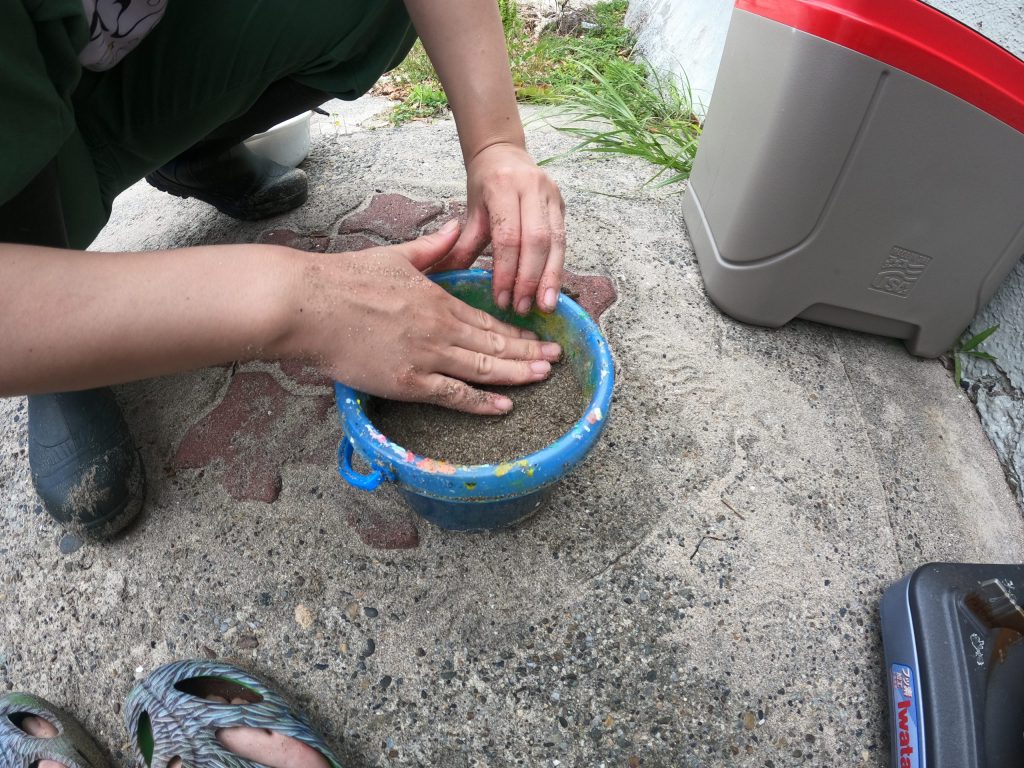
We attempted to create ephemeral artwork using only the materials found on-site—pieces that would eventually return to nature. Yet, even in the objects we gather thinking they are “unneeded,” tiny living creatures are attached. Life was existing in the most unexpected places. Even when seaweed washes ashore, rots, or dries up, it becomes a sanctuary and a source of nourishment for various organisms. Nothing in this world is useless. I was reminded of such a fundamental truth: this world is diverse, beautiful, and everything lives in interconnected harmony.
We know so little of the world, and that is precisely why we fail to realize just how egotistical we are.
—
守谷海岸でのリサーチレポート 2026.06/13(日) 10:30〜19:00
新月の干潮から日暮れまで by オガワミチ
守谷海岸は、向かって右側に漁港、左側は岬で岩礁となっており、中央は砂浜が弧を描く。
●コンクリートエリア:乾燥した海藻や流木
●砂浜エリア:乾燥・未乾燥の海藻、流木に混じって釣り糸や浮き、プラスチックごみが少量。落ち葉、黒くなった海藻の根、切り株みたいな何か、貝殻、タコの赤ちゃんやヨコエビ。海藻は多く拾える。海水の流れがキレイ。
●岩礁エリア:礫岩や砂岩にイソギンチャク、数種類の貝類(イシダタミ、星みたいな貝)、フナムシ、三葉虫みたいな?貝の仲間(ヒザラガイらしい)、カニ、ヤドカリ。岩には多様な海藻がはりつく。全体は昔船のドックっぽい洞穴があった。遺跡だ。漁師がウニを食べる。
黒くなった木や根の塊がカッコいい。海藻の間から、突然現れるヨコエビに驚く。落ちたアシナガバチの巣にはダンゴムシ。岩には隙間なく、貝や海藻が貼りついて一体化している。カニは二枚貝を食べ、それを狙って他のカニがやってくる。アリは茹でた海藻よりも生の海藻が好きな様子。ヨコエビのちっちゃいのを取り合うアリさん。葉っぱを集めてミノムシみたいに家を作る生きもの。トンビがカラスを追い払う。
拾った海藻を並べる。ぬめりの強い2種類の海藻を刻んで煮る。
沢山のヨコエビが出てくる。
かなりの数を茹でてしまった。
そこまでして物を作る意味があるのかと思えてくる。私たちは、自然に還っていく作品をその場にあるもので作ってみようと試みた。私たちが「いらないだろう」と思って拾うものに、小さな生き物が付いてくる。思いがけない所で生きものは存在していた。海藻は打ち上げられて、腐っても乾燥しても、様々な生きものたちの棲み家になり食事になる。この世界に不要なものは無い。そんなあたりまえのことに気づかされた。この世界は多様で、美しく、すべてがつながって生きている。
私たちはあまりに世界を知らないから、自分がどれだけエゴイスティックであるかに気が付かない。
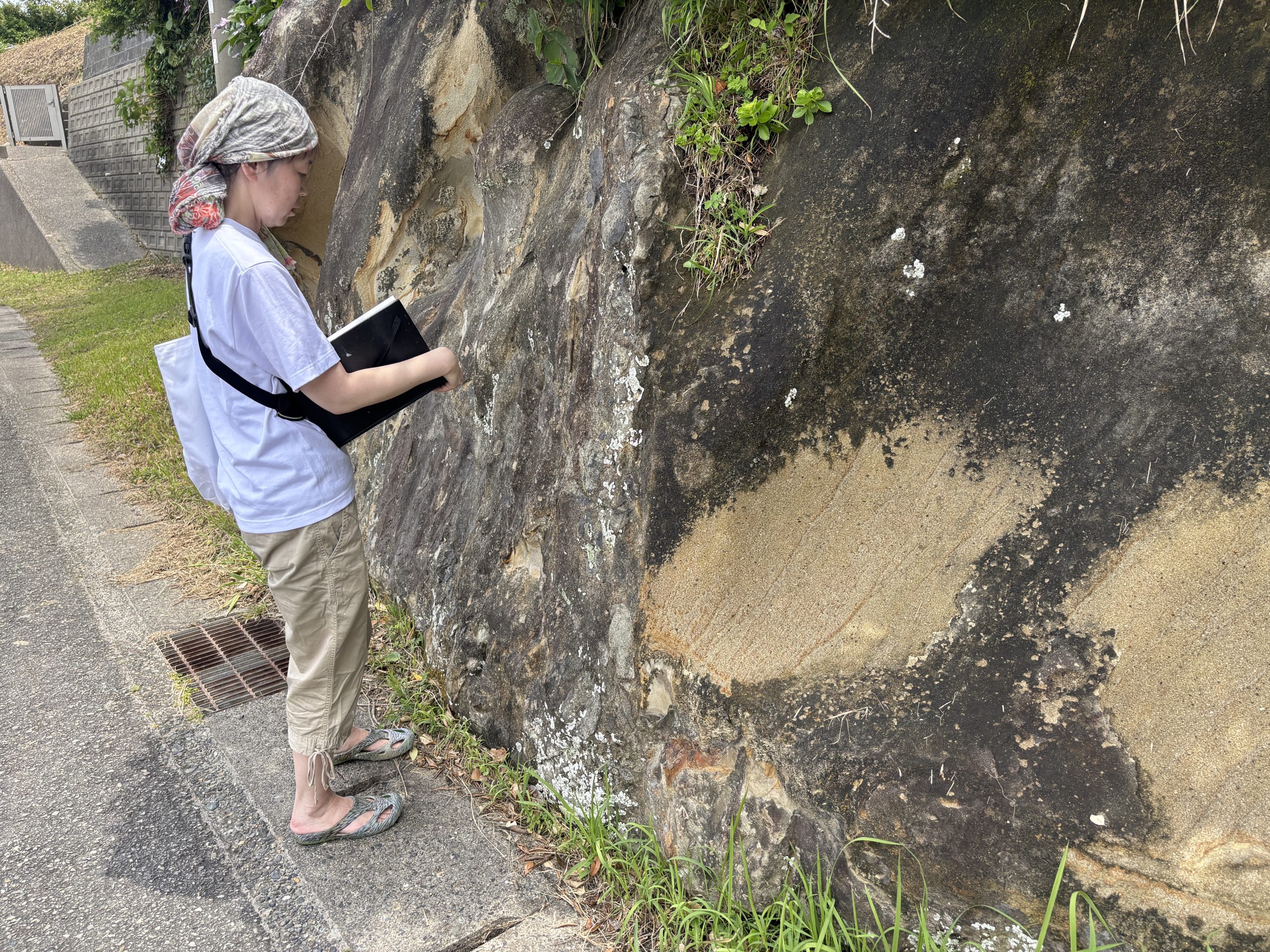
COOKING
ARTWORKS